How Lens Implants Affect Night Vision and Glare

How Lens Implants Affect Night Vision and Glare

How Lens Implants Affect Night Vision and Glare

How Lens Implants Affect Night Vision and Glare

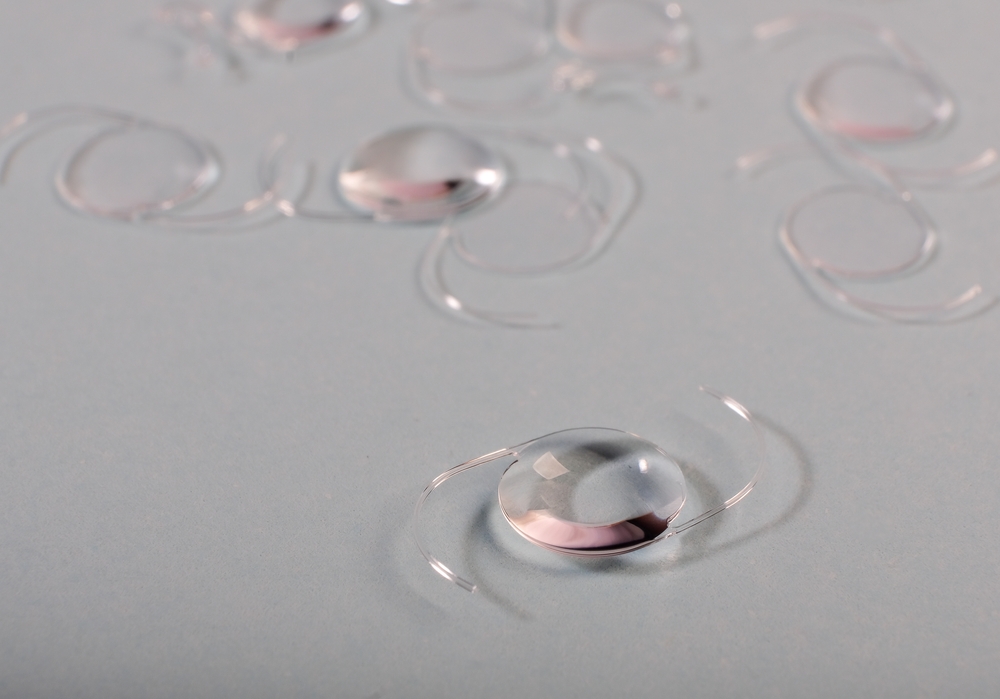
Lens implants can do more than improve blurry vision. They can also change how you see lights, contrast, and detail at night. That is why we spend time helping patients understand what to expect before choosing a lens implant. Different lens designs can affect night vision differently, especially when it comes to glare, halos, and driving after dark. When a lens implant is placed in the eye, it changes how light is focused. For many patients, vision becomes clearer and more functional overall. At the same time, some people notice glare around headlights, halos around streetlights, or reduced visual comfort in low-light settings during the early healing period. These effects can improve as the eye heals and the brain adapts, but the type of implant matters as well. Not every lens implant works the same way. Some lenses are designed to provide a single focal point, while others are built to expand range of vision for distance, intermediate, and near tasks. In general, premium multifocal and extended depth-of-focus lens designs may increase the chance of halos and glare compared with standard monofocal options. That does not mean they are the wrong choice - it means lens selection should match your daily visual demands. We look at more than a prescription. Night vision outcomes can be influenced by your pupil size, eye health, corneal condition, and whether you already notice glare while driving. We also talk about lifestyle. A patient who drives often at night may need a different lens recommendation than someone who prioritizes reduced dependence on reading glasses. Patients often want to know what changes are normal and what deserves more discussion. Common concerns include: These symptoms can vary by lens type and by patient. Some newer lens technologies are designed to reduce visual disturbances, but every option involves tradeoffs that should be reviewed carefully. Coastal Vision Medical Group offers Custom Lens Replacement as well as lens-based options including EVO ICL and premium intraocular lenses, so we help patients compare those tradeoffs in a more personalized way. The best lens implant is not simply the most advanced one - it is the one that fits your eyes and your routine. Some patients are willing to accept a greater chance of halos for a wider range of vision. Others want the crispest possible night driving experience. Our job is to guide that decision with clear testing, honest conversation, and a treatment plan built around how you actually use your vision every day. Contact Coastal Vision Medical Group in Orange, Irvine, Long Beach, and Chino Hills, California by calling (888) 501-4496.
Why Night Vision Changes After Lens Implant Surgery
The Lens Design Makes a Difference
What We Review Before Recommending A Lens
Common Visual Symptoms Patients Ask About
Setting Realistic Expectations Matters


© 2026 Coastal Vision Medical Group . ALL RIGHTS RESERVED.
ACCESSIBILITY STATEMENT|PRIVACY POLICY | NOTICE OF PRIVACY PRACTICES|SITEMAP | CAREERS
POWERED BY
