Cataracts or a Changing Prescription? Getting Answers in Long Beach

Cataracts or a Changing Prescription? Getting Answers in Long Beach

Cataracts or a Changing Prescription? Getting Answers in Long Beach

Cataracts or a Changing Prescription? Getting Answers in Long Beach

Cataracts or a Changing Prescription? Getting Answers in Long Beach
When you need a brighter lamp to read a recipe or start avoiding familiar roads after dusk, it’s natural to wonder if you need new glasses. A change in prescription could explain the blur, but so could a cataract, dry eye, or another eye condition. At our Long Beach office, we ask what has become harder to do, then examine your eyes to find out why.
Why Different Eye Problems Can Feel Similar
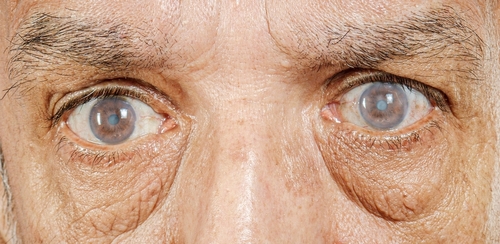
A glasses prescription corrects how light focuses in your eye. If your prescription has changed, a different lens may bring small print or distant signs back into focus. A cataract clouds the eye’s natural lens and can scatter light, making headlights seem brighter or colors look faded. A developing cataract can also change your prescription, so the two can happen together.
The surface of your eye matters, too. When the thin layer of tears that covers it breaks up between blinks, words on a screen may blur and briefly sharpen when you blink. That detail is worth mentioning during your exam. Symptoms alone can’t tell us which part of the eye is responsible.
What to Tell Us at Your Cataract Evaluation
Bring your current glasses and a few examples of what has changed. Think about when you first noticed the difference, whether it affects one or both eyes, and which activities you’ve adjusted. Details like these help us understand what an eye chart can miss.
Reading: Can you still read a prescription label with your usual glasses? Does moving it under a lamp help?
Contrast: Is it harder to see the edge of a pale curb against the sidewalk, especially in shade?
Driving: Are street signs blurry in daylight, or is glare from oncoming headlights the bigger problem?
Daily routines: Have you stopped sewing, reading a printed menu, or driving after dark because seeing takes more effort?
How the Exam Guides Your Next Step
We test each eye separately and check how much a change in lens power improves your vision. Using a lighted microscope, we examine the tear film, the cornea, and the natural lens. A dilated exam also lets us check the retina for other causes of blur.
If an updated prescription gives you comfortable vision for the things you enjoy, we may suggest new glasses and monitor an early cataract. If dry eye is contributing, we can discuss treatment. When cataracts interfere with daily tasks despite the best correction we can achieve with glasses, we can talk through the benefits and risks of surgery.
Seek urgent eye care right away if your vision changes suddenly or you develop eye pain. Sudden vision loss or severe eye pain needs emergency care.
If gradual changes are making reading or driving harder, call Coastal Vision Medical Group at (888) 501-4496 to schedule a cataract evaluation at our office at 4300 Long Beach Blvd., Suite 400, Long Beach, CA 90807.


© 2026 Coastal Vision Medical Group . ALL RIGHTS RESERVED.
ACCESSIBILITY STATEMENT|PRIVACY POLICY | NOTICE OF PRIVACY PRACTICES|SITEMAP | CAREERS
POWERED BY
